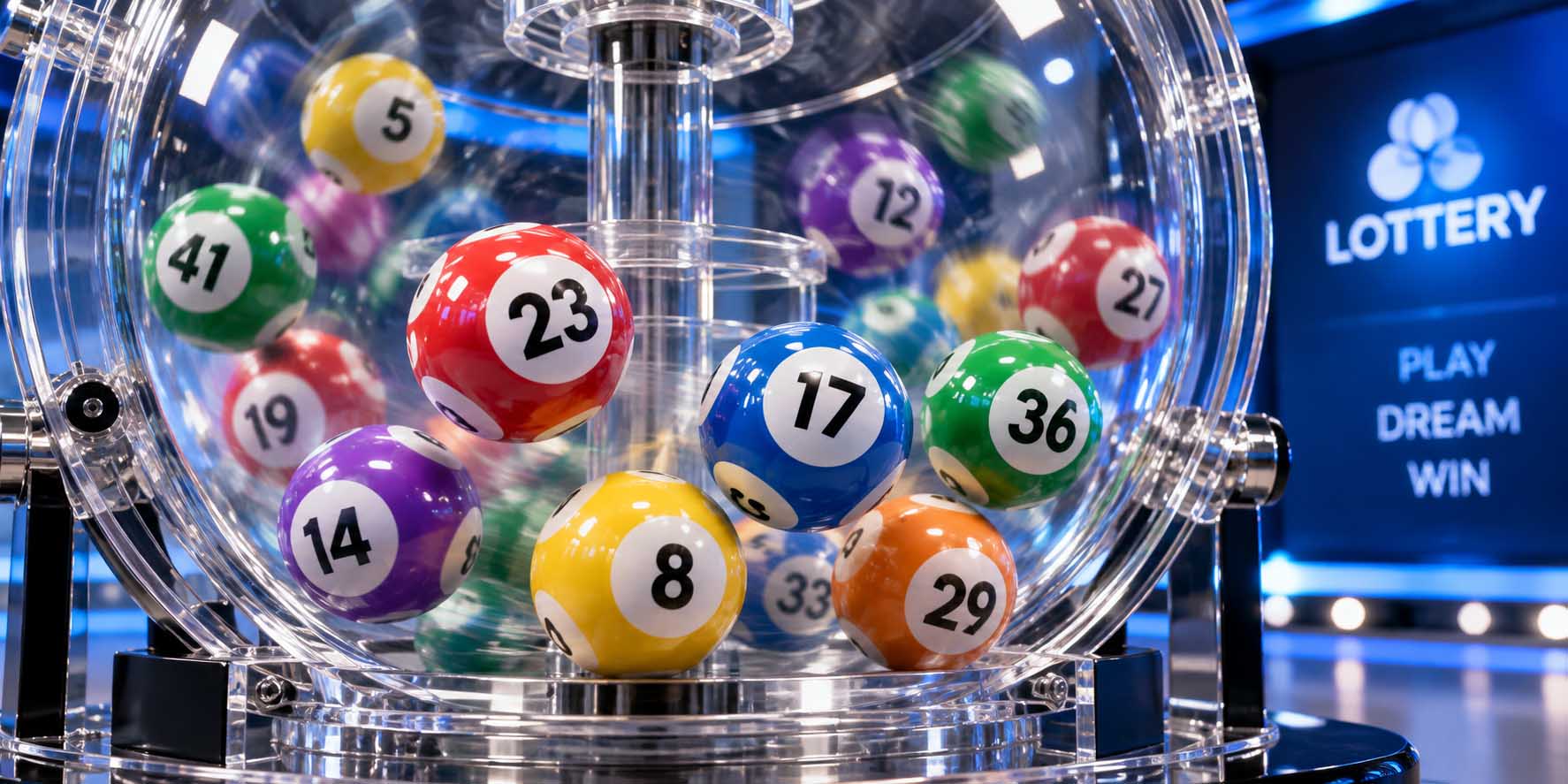
In the analysis of random number generation and recreational gaming mathematics, participants frequently study various patterns, numerical combinations, and historical draw frequencies. Lottery number selection strategies provide a framework for understanding how individuals approach probability matrices, combinatorial choice, and random draws.
Understanding how random number generators (RNG) operate, how players select visual patterns on game slips, and what mathematical realities govern fixed-odds selections helps demystify the mechanics behind public draw systems.
The Psychology of Number Choice
When given the freedom to select digits for a lottery slip, humans rarely choose numbers entirely at random. Behavioral studies consistently demonstrate distinct patterns in how players make their selections:
- Significant Dates: Many participants choose numbers based on birthdays, anniversaries, or calendar milestones, which inadvertently restricts their number pool to values between 1 and 31.
- Geometrical Patterns: Players often mark diagonal lines, zigzag shapes, or specific geometric formations on physical or digital play slips.
- Hot and Cold Statistics: Analyzing previous draws to track frequency charts—identifying numbers that appear frequently (“hot”) or rarely (“cold”)—is a common practice among analytical participants.
Mathematical Reality of Random Draws
From a strict computational and probability standpoint, every possible combination of numbers in a standard lottery draw holds an identical mathematical probability of occurring.
Whether a ticket features consecutive numbers (e.g., 1, 2, 3, 4, 5) or a dispersed spread across the entire numerical matrix, the underlying probability remains completely unchanged. Random number draws and certified mechanical tumbling machines do not retain memory of previous results, meaning past outcomes exert zero influence on future draws.
The Impact of Shared Combinations
One practical consideration in number selection is the avoidance of heavily shared combinations.
Conversely, selecting numbers randomly or choosing higher digits outside the calendar date range minimizes the statistical likelihood of sharing a payout tier with other players.
When examining how complex digital platforms structure interactive features and present reference information, reviewing varied technical implementations—such as analyzing systems utilizing a situs toto togel 4D configuration—illustrates how web platforms organize digital resources, though underlying drawing mechanisms, random number verification, and prize distribution rules vary widely across individual environments.
Common Questions About Number Selection
Do “hot” numbers increase the probability of winning?
No. Past draw results do not affect future probabilities. Each independent draw operates on isolated RNG or mechanical outcomes where every combination maintains equal mathematical odds.
Why do people prefer quick-pick options?
Quick-pick selections are generated automatically by computer algorithms, ensuring a truly random distribution of numbers and eliminating human psychological biases like birthdate clustering.
Can statistical systems predict lottery outcomes?
No mathematical system or software algorithm can predict the outcome of a certified random draw, as true random number generation prevents deterministic forecasting.
Conclusion
Lottery number selection strategies offer a compelling intersection of human psychology, behavioral habits, and mathematical probability. While no selection method can alter the underlying random odds of a draw, understanding how combinatorial choices and psychological biases influence player behavior provides valuable perspective on recreational gaming systems.

